
Apple's cost squeeze meets a bigger product pipeline
Apple met a memory-cost squeeze by widening its product lineup. See how the demand story competes with the margin story for a stock's price.
By the Deriv desk · 2 July 2026 · 4 min read

A stock's price reflects the future a company promises, not the bill it is paying today. Apple is facing a real cost problem, and its answer is to widen its product lineup rather than shrink it. That choice tells the market to price the demand story, not the cost story, and so far the tape is listening.
The cost problem Apple is actually facing
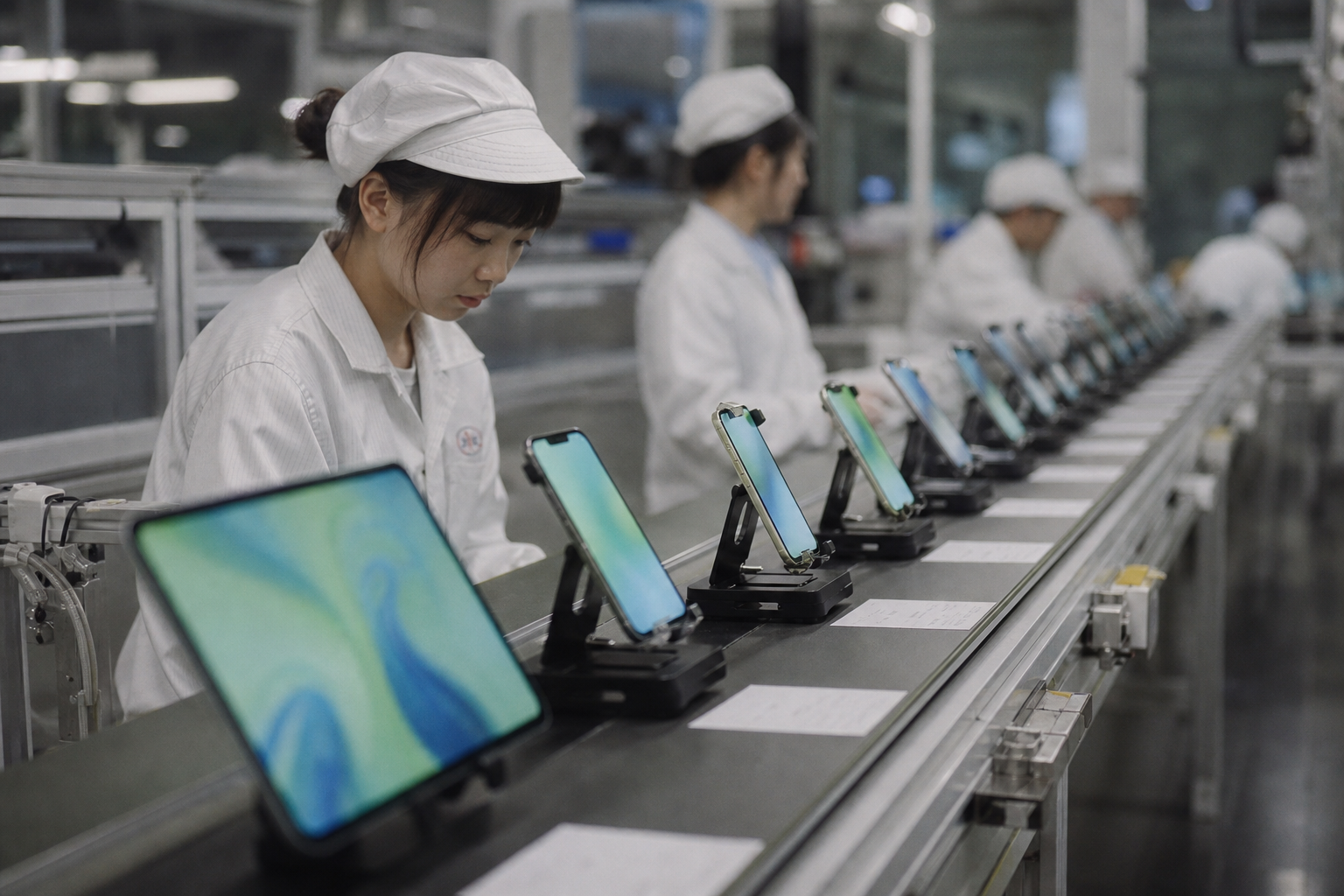
Memory got expensive fast. Shortages in DRAM and NAND chips pushed Apple to raise Mac and iPad prices by roughly 15 to 25 per cent in June. One analyst house, KGI, downgraded the stock on the squeeze.
That is a genuine margin threat. Higher input costs eat into profit unless a company passes them on, and passing them on risks denting demand. The bear case is simple: a fatter roadmap does not fix a thinner margin.
Why Apple answered with more products, not fewer
Instead of retreating, Apple pushed its pipeline forward. On July 2 it confirmed at least five new iPhone models through early 2027. It also lifted its foldable iPhone production target to about 10 million units, up from an earlier 7 to 8 million.
New iPad Pro models and an entry-level MacBook Pro are in the works too. The message to investors is about growth, not defence. A company that expands its lineup into a cost shock is betting demand will absorb the higher prices.
Demand story versus margin story: which one wins the tape
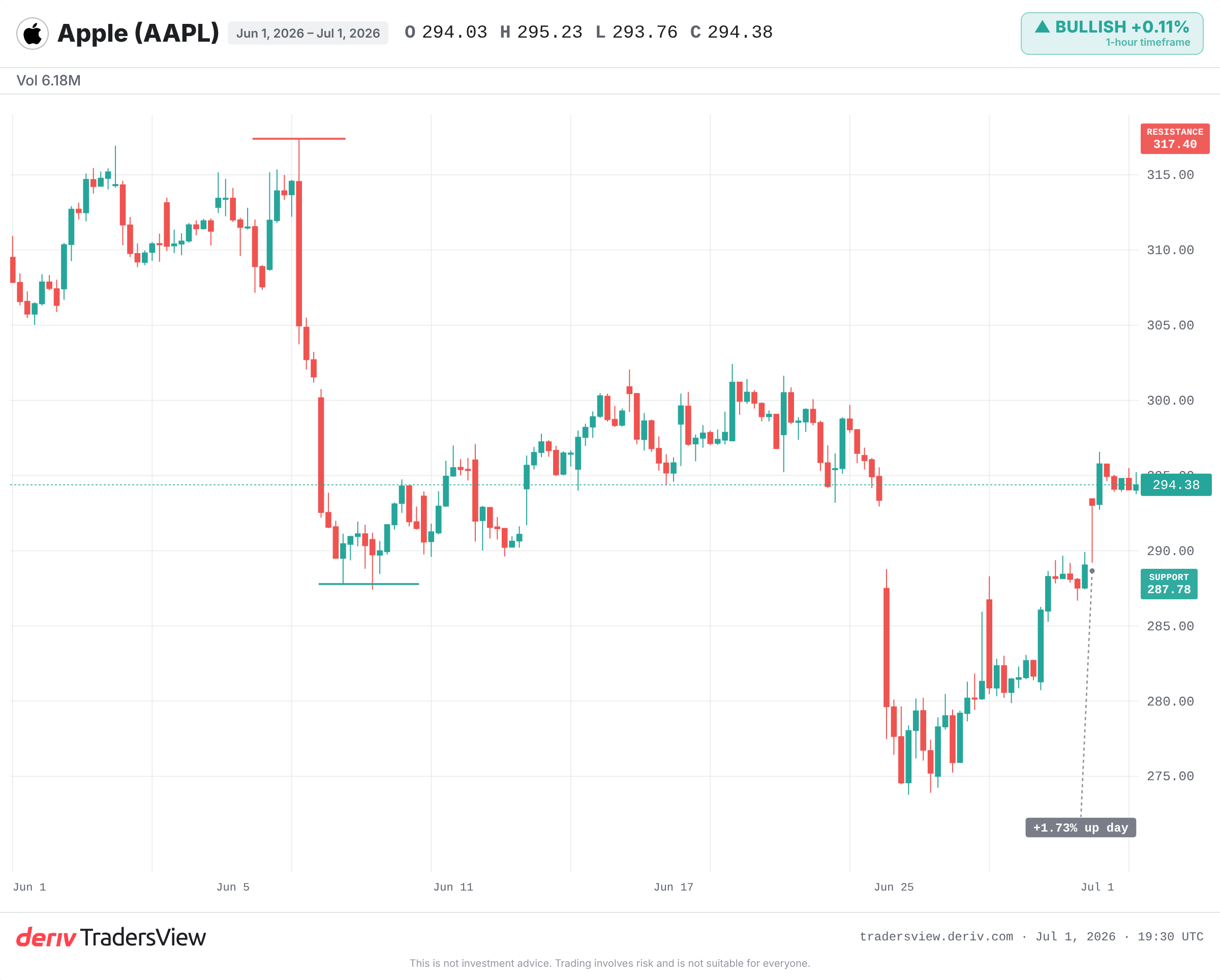
This is the durable mechanism worth understanding. A hardware maker under input-cost pressure has two narratives competing for the share price. One is the cost story: margins compress, so the stock should fall. The other is the demand story: the pipeline is growing, so future revenue justifies the price.
The market tends to weigh whichever it finds more credible. When a firm keeps launching and raising average selling prices, it nudges attention towards demand. Apple did exactly this in 2017, breaking its price ceiling with the $999 iPhone X and expanding into more tiers. Unit growth slowed, but higher-priced flagships lifted revenue, and the mix-led story held.
Are the higher prices cyclical or structural?
Memory pricing swings in cycles. DRAM and NAND costs spiked and slumped through 2022 and 2023, and the makers who pushed premium pricing through the squeeze recovered margins when the cost cycle turned. Apple did much the same through the 2020 to 2021 component crunch: it absorbed costs, held margins through mix and pricing, and shares kept climbing.
The lesson: costs are cyclical, pipelines are strategic. A cost cycle usually reverses. A product roadmap is a multi-year bet on where demand goes next.
What to watch next
The demand story is not proven yet, and the bear case has teeth. Watch for the signs that decide it:
- Gross-margin guidance at the next earnings, and any comment on passing memory costs through.
- Whether foldable production actually scales towards 10 million units or gets quietly trimmed.
- How consumers respond to the June price rises: unit volumes against average selling prices.
- The direction of DRAM and NAND spot prices, the clearest read on whether the squeeze is easing.
The evidence leans towards the demand story holding, as it did in past supply shocks. But if guidance shows margin compression or the foldable ramp slips, the cost story wins, and the roadmap was a distraction. The share price will tell you which future the market believes.
Frequently asked questions
DRAM and NAND chips are core components in Macs, iPads and iPhones. When supply tightens, their prices rise, increasing the cost of building each device. Apple either absorbs the hit to margins or passes it on through higher retail prices.
No. The market weighs whichever narrative it finds more credible at the time. A convincing product pipeline can shift attention towards demand, but weak earnings guidance or slipping execution can pull focus straight back to margins.
It is the number of foldable devices a company plans to manufacture over a period. Apple raised its target to about 10 million units from an earlier 7 to 8 million, signalling confidence in demand for the new form factor.
Watch the underlying input market. Memory prices, for example, historically swing up and down in cycles. If spot prices for DRAM and NAND start easing, the cost pressure is likely cyclical rather than a lasting change to the business.